


the security.brief
Over 37,000 cases of employment identity theft caused IRS audits last year. Learn to protect yourself and recover with expert tips on prevention and warning signs.
Over 87,470 cases of employment or tax-related identity theft were reported to the FTC in 2024, the most recent year with full data year.1 That’s more than 87,000 people who had issues with their taxes, got audited by the IRS, or had to resolve fraudulent employment history, and that’s just in one year.
To help you avoid becoming one of those cases, we brought together our identity theft protection experts to build this guide to preventing employment identity theft, covering the warning signs to watch for and the steps to take if it happens to you.
>> Read About: Identity Theft Prevention: Tips and Techniques
What is Employment Identity Theft?
Employment identity theft is when a person uses someone else’s identity for their employment authorization. They use the stolen identity for everything from applying for a job to paperwork for tax withholdings. This puts fraudulent employment history on the victim’s record at a minimum. At worst, it can result in an audit by the IRS.
To better prevent employment identity theft, it helps to understand what motivates these criminals in the first place. There are a few reasons someone would use a stolen identity for their employment information. They might not have the required citizenship status for a job they want. Others commit employment identity theft to pass background checks whether that’s due to a criminal past or an unsavory work history.
Did You Know: We created a guide on how to check if someone is using your identity. That way you can get one step ahead of the criminals before they do any real damage to your identity.
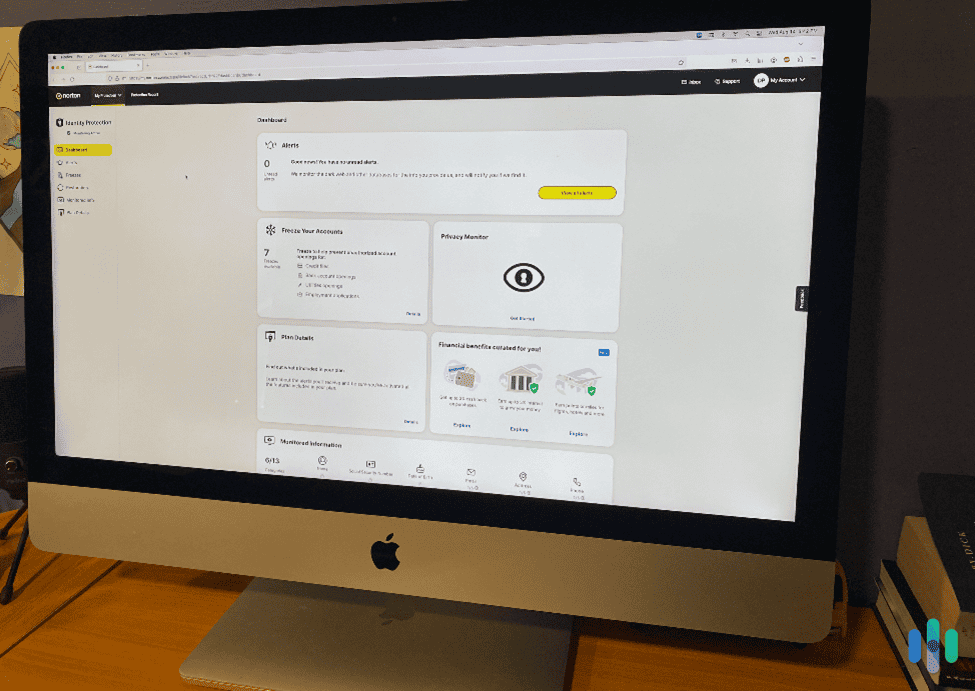
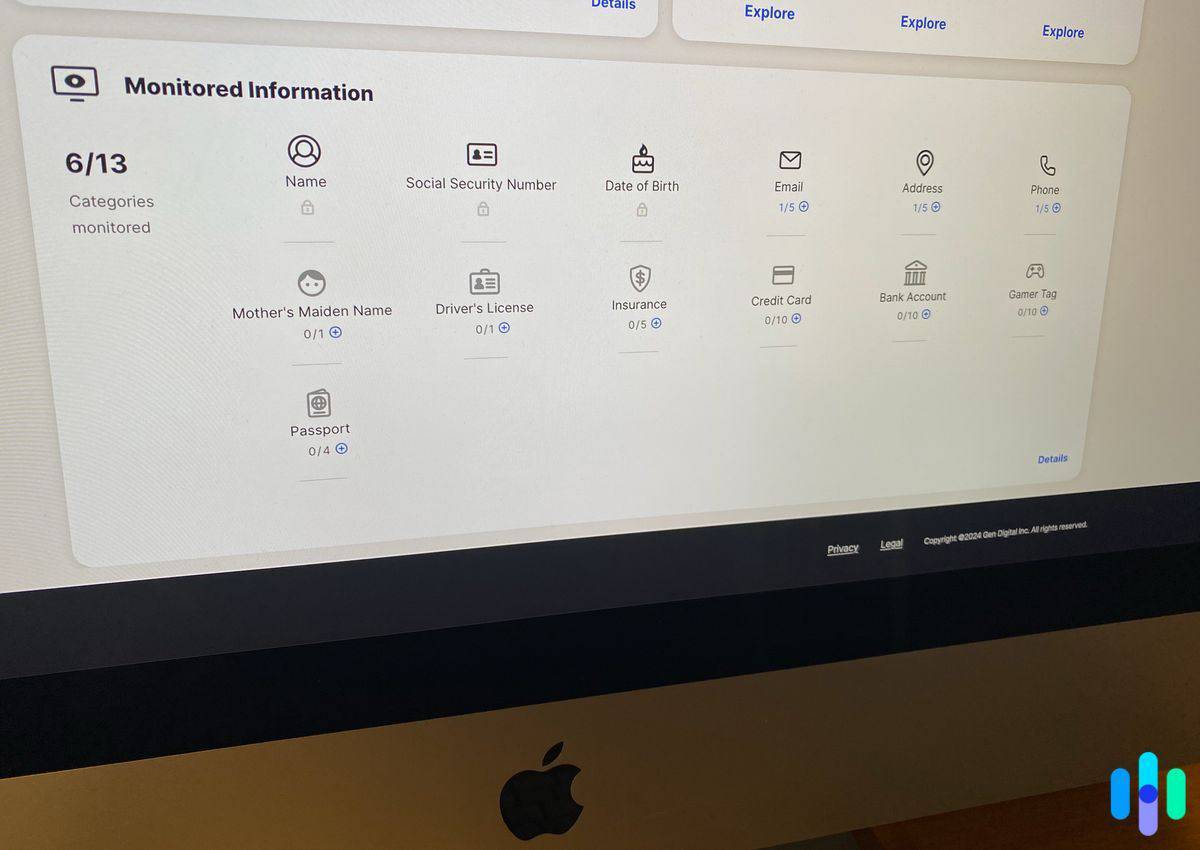
Since employment identity theft usually doesn’t show up until the IRS or Social Security Administration mails you a notice, months after the fact, catching it earlier means watching for your Social Security number showing up somewhere it shouldn’t. That’s the specific gap LifeLock’s SSN alerts are built to close:
LifeLock monitors for your Social Security number, name, address, and date of birth turning up in new applications and on the dark web, and sends an alert if it does. It won’t catch every case (no monitoring service can), and it’s not a substitute for keeping an eye on your Social Security earnings statement, but it’s a meaningfully earlier warning than waiting on the mail. You can read more in our full LifeLock review.
When it comes to catching employment identity theft early, LifeLock’s SSN and dark web alerts make it one of our top options.
How to Prevent Employment Identity Theft
Employment identity theft has a few defenses that are specific to it, beyond the general advice for protecting your personal information. Here’s what actually targets this type of fraud:
- Lock your SSN with E-Verify’s Self Lock. Create a free myE-Verify account and turn on Self Lock. It stops anyone from using your Social Security number to pass an employer’s E-Verify check, which is the exact mechanism most employment identity theft runs through.2 You only need to unlock it when you start a new job that uses E-Verify.
- Check your Social Security earnings statement every year. A my Social Security account shows every employer that’s reported wages under your SSN. Spotting an employer you’ve never worked for is often the first sign someone else is using your identity, sometimes before the IRS even sends a notice.
- Think twice before putting your SSN on a job application. Legitimate employers generally only need your SSN after a written offer, for background checks, I-9, and W-4 paperwork. Requests for it earlier, especially through a text message or unsecured email, are a common tactic in job scams that harvest SSNs.
- Keep your address updated with the IRS. Most of the warning signs of employment identity theft that we’ll cover next are letters you’ll get in the mail from the IRS. If the IRS still has the apartment you lived at last year as your address on file, you might not get those letters, leaving you exposed.
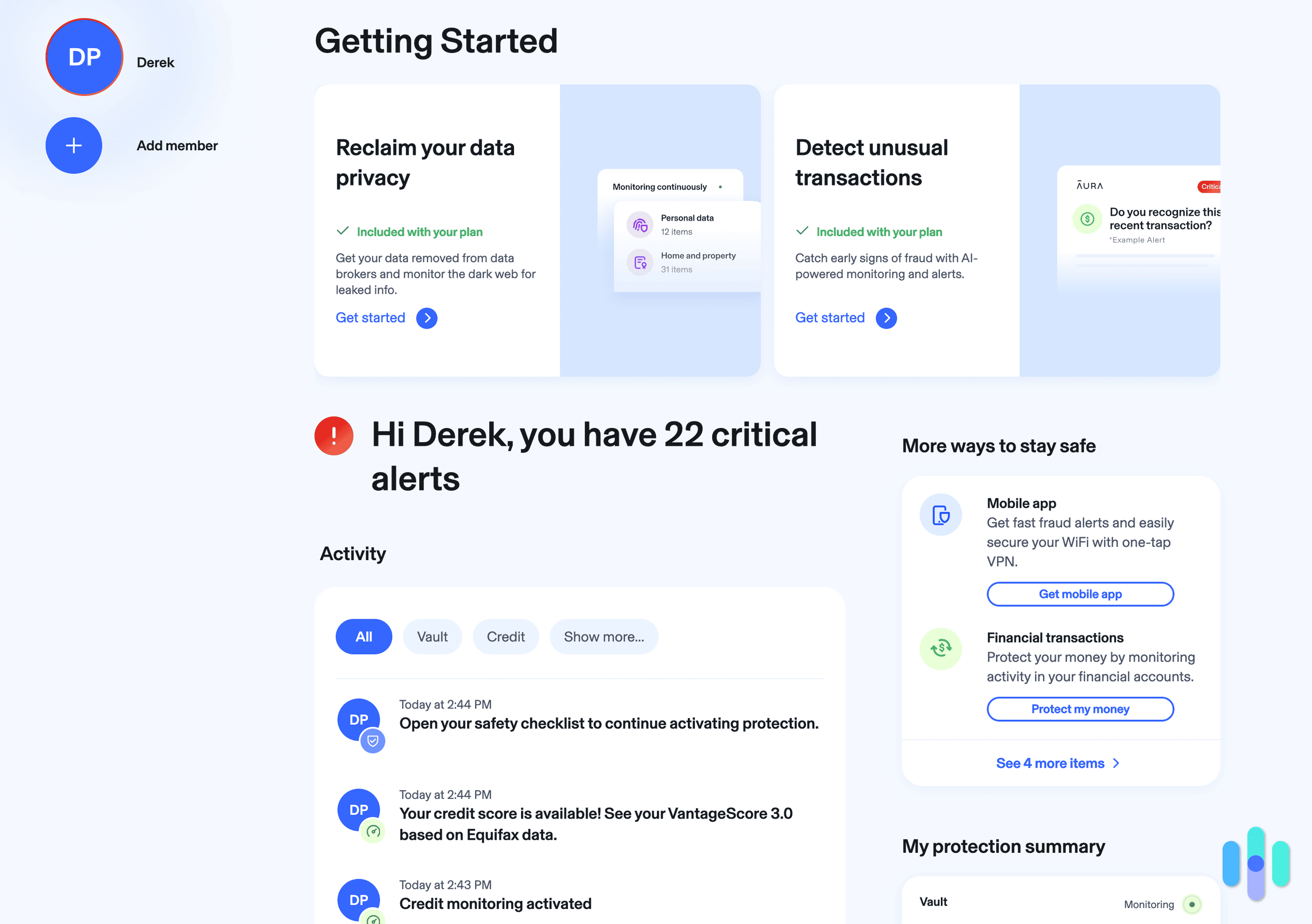
- Monitor your Social Security number directly. Beyond watching the mail, a service like LifeLock can flag your SSN if it turns up in a new application or on the dark web, which is often the earliest sign something is wrong, well before an IRS or SSA letter arrives.
None of these steps guarantee you’ll never become a victim, but together they close off the most common ways criminals get hold of your Social Security number and put it to work.
>> Learn About: Securing Confidential Personal Data Both Online and Offline
4 Common Warning Signs of Employment Identity Theft
We know nobody likes getting a letter from the IRS, but it’s one of the most common first warnings of an employment identity theft attempt. We’ll get into the letters you should keep an eye out for as well as some other agencies that could tip you off on an employment identity theft attempt.
- Receiving an IRS notice. There are a few different notices you might receive from the IRS if you are the victim of employment identity theft. They’ll either ask for verification of income you don’t recognize or send an employment-related identity theft notice. If you get one of these, you’ll generally need to respond with Form 14039, Identity Theft Affidavit (not to be confused with Form 14039-B, which is a separate form for businesses reporting stolen EINs), checking the box in Section B for fraudulent use of your SSN or ITIN for employment.
- Data breach notification. Depending on where you live, the companies you deal with might be required to send you a data breach notification if your data gets leaked. Getting one of these notifications should put you on high alert for identity theft and make sure to change any passwords that were leaked.
- Employer tax form addressed to you. Every employer sends out W-2 and 1099 forms to its employees and contractors. When you get these in the mail, always verify the information they contain. Discrepancies are a sign of employment identity theft.
- Adjustment or denial of Social Security benefits. The Social Security Administration sends letters when your Social Security benefits get adjusted or denied. If you get one of these letters without taking action yourself, someone’s using your identity or there was a clerical error. Either way, you need to look into it.
Catching any one of these signs early gives you a head start on fixing the problem before it turns into a bigger tax or credit issue.
Pro Tip: The only thing you can do to prevent your data from leaking in a data breach is to limit the number of companies you share your information with. Every time you share your information with a company, you’re trusting them to keep your information secure.
How to Recover From Employment Identity Theft
If you find out your identity has been stolen, know that you can recover, no matter how much someone has already done with it. The sooner you take action, the easier your recovery will be.
How you recover from employment identity theft differs greatly from traditional identity theft. Here are the steps to take:
- Contact an identity theft protection service. A dedicated service can tell you exactly what to do based on your situation and help build a recovery plan. LifeLock, for example, pairs its SSN and dark web alerts with U.S.-based restoration specialists who can work your case if something goes wrong. Without a paid service, IdentityTheft.gov offers free step-by-step recovery guidance.
- File an identity theft report. IdentityTheft.gov is also where you can file an identity theft report.
- File Form 14039 with the IRS if the notice tells you to. Some of the notices the IRS sends related to employment identity theft will include a number you can call for more details, and may direct you to file Form 14039, Identity Theft Affidavit, checking the box in Section B for fraudulent employment use of your SSN or ITIN. We always recommend calling the number on the notice first to confirm exactly what the IRS needs from you before you file.
- Request a credit report. Since your Social Security number could have been used for more than just employment fraud, pull a credit report and check your other accounts for signs of unauthorized activity.
- Never include unearned income when filing taxes. If the IRS sends a notice about income you didn’t earn, don’t report it as your own. That mismatch is itself a sign someone else used your Social Security number for their earnings.
Working through these steps in order gives the IRS, the SSA, and the credit bureaus what they need to correct your records and stop further damage from the same incident.
FYI: You can request a free three-bureau credit report every week from AnnualCreditReport.com. It used to be only once a year, but that changed during the COVID lockdowns since identity theft was on the rise. Now, you don’t need to hold back on getting your credit report anytime you want it.
Final Thoughts
While employment identity theft won’t result in an arrest warrant out in our name like criminal identity theft or a massive loan on our credit report like synthetic identity theft, it can still cause a headache, especially since it often overlaps with tax identity theft. And that headache could come in the form of an audit by the IRS.
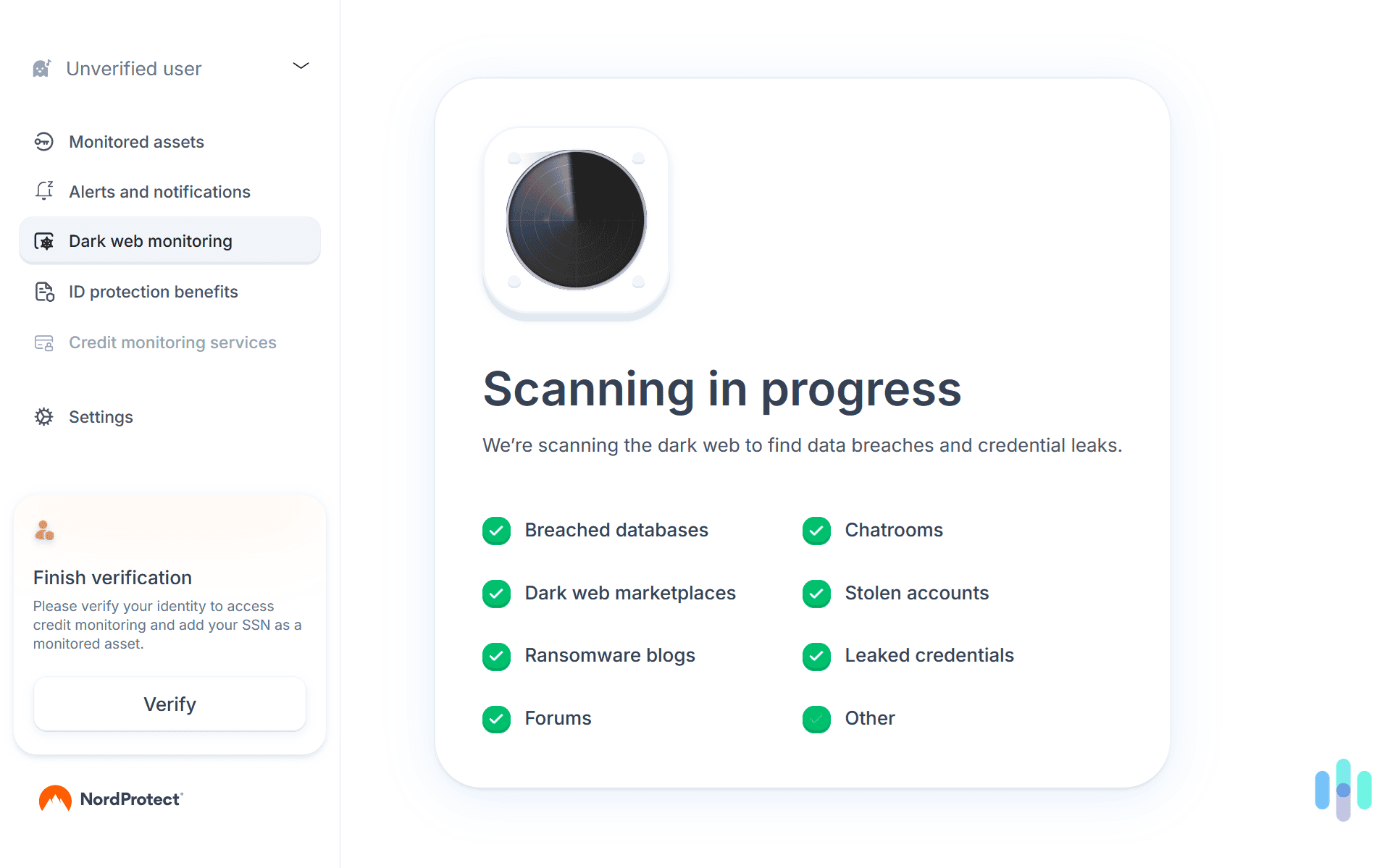
So, taking the preventative measures we outlined here seriously, keeping an eye out for the warning signs, and considering a monitoring service like LifeLock to help catch SSN misuse earlier, can save you a hassle in the future. We show you how to round out your identity protection in our guide to identity theft protection using monitoring tools, free resources, and identity theft coverage.
FAQs About Employment Identity Theft
-
How do I report employment identity theft?
You can report employment identity theft on IdentityTheft.gov. For the IRS specifically, file Form 14039, Identity Theft Affidavit, and check the box in Section B for “My SSN or ITIN was fraudulently used for employment purposes.” This is different from Form 14039-B, which is only for businesses reporting a stolen EIN, not individuals.
-
Why did someone use my identity for work?
People use stolen identities for work due to citizenship issues, reported work history issues, or a criminal record preventing them from obtaining work with their identity.
-
Can I check if someone used my identity for employment?
You can request your tax records and transcripts from the IRS which will show you all of your records. Someone using your identity for employment would show up since the employer would need to report the employee’s earnings. A service like LifeLock can also alert you sooner if your SSN turns up in a new application, rather than waiting for your next tax filing to reveal the problem.
-
Why did I receive a W-2 from a company I don’t work for?
Receiving a W-2 or 1099 filled out with your information from a company you don’t work for could mean someone fraudulently used your identity.
-
What can happen if someone steals my identity for their employment?
Someone using your identity for employment means the IRS will think you have another job. The employer of the identity thief will report the thief’s earnings as though they were your earnings. This means the IRS will think you owe them more than you do and can result in you getting audited to clear up these circumstances.